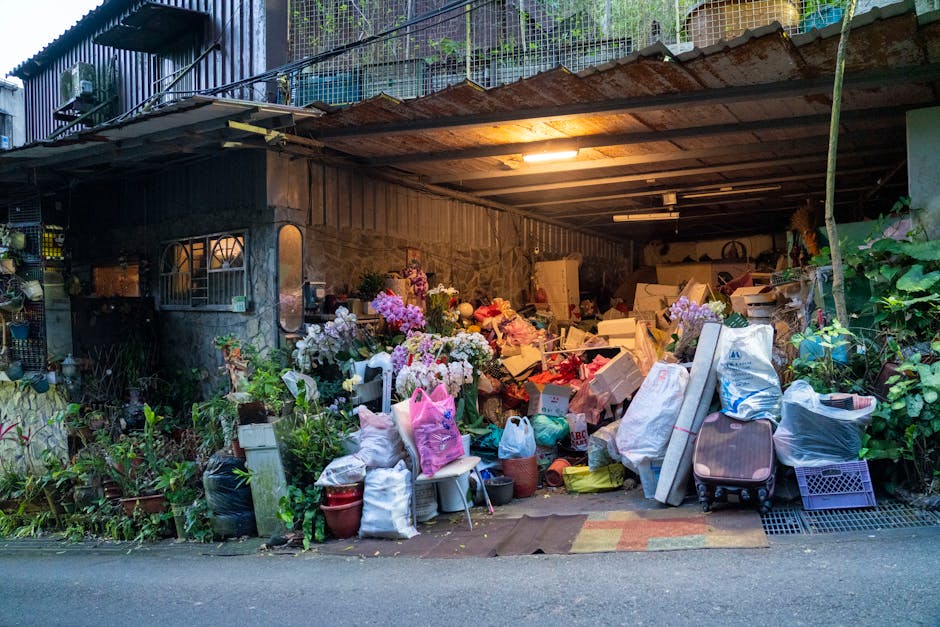
Avoid hidden rubbish removal charges in Swiss Cottage
If you have ever booked a rubbish clearance and then watched the final bill creep up, you will know the frustration. In Swiss Cottage, where flats, terraces, basement storage rooms and busy small businesses all create different clearance needs, hidden rubbish removal charges can turn a simple job into an expensive headache. The good news? Most surprise fees are avoidable once you know what to ask, what to check, and what a proper quote should include.
This guide breaks down how to avoid hidden rubbish removal charges in Swiss Cottage in plain English. You will learn how pricing usually works, which charges are legitimate, where the sneaky extras tend to appear, and how to compare quotes without getting lost in the small print. A little care at the start can save a lot of hassle later. And yes, it really can be that straightforward.
Table of Contents
- Why it matters
- How pricing works
- Key benefits and practical advantages
- Who this is for
- Step-by-step guidance
- Expert tips for better results
- Common mistakes to avoid
- Tools, resources and recommendations
- Law, compliance, standards, or best practice
- Options, methods, or comparison table
- Case study or real-world example
- Practical checklist
- Conclusion
- Frequently asked questions
Why Avoid hidden rubbish removal charges in Swiss Cottage Matters
Hidden charges are not just annoying. They make it harder to budget, compare services fairly, and judge whether you are actually getting value. That matters in Swiss Cottage, where access can vary a lot from street to street and even from building to building. A quote for a ground-floor flat off Finchley Road is not the same as a clearance from a top-floor walk-up with a narrow stairwell and no easy parking.
When pricing is vague, you can end up paying for things you did not expect: extra labour, waiting time, parking complications, heavy-item handling, congestion-related delays, or a minimum load you did not realise applied. To be fair, some of these are genuine costs. The problem is not the cost itself; it is the lack of clarity.
Clear pricing also helps you make better choices. If one company seems cheaper at first glance, but another gives a more complete quote, the second option may be the better value. That is especially true when you are clearing bulky waste, old furniture, broken appliances, builder's waste, or a full flat clearance.
Practical takeaway: the cheapest quote is not always the cheapest job. A complete quote, written in plain language, is usually the safer bet.
How Avoid hidden rubbish removal charges in Swiss Cottage Works
The process is simple in principle. You describe what needs removing, the company estimates the volume, weight, access conditions, and disposal route, then gives you a price. The important part is whether that price is truly all-inclusive or only looks that way.
Good rubbish removal pricing usually depends on a few common factors:
- Volume: how much space the waste takes up in the vehicle or in skip terms.
- Weight: heavier waste can cost more because disposal charges may be higher.
- Waste type: mixed waste, green waste, furniture, mattresses, plasterboard, and electrical items can all be treated differently.
- Access: stairs, long carries, narrow hallways, no lift, restricted parking, or timed loading windows can add time and cost.
- Labour: if the team needs to dismantle items or carry items from inside the property, that may affect the quote.
- Disposal requirements: some items need separate handling, recycling, or special processing.
The hidden-charge problem usually appears when one or more of those factors is not discussed upfront. You may see a very attractive estimate, then discover charges have been added for exact collection time, extra sacks, or items that were "not on the list". That sort of thing can feel a bit crafty, frankly.
In a well-run service, the quote should tell you what is included, what could change it, and what counts as an additional cost. If the company cannot explain that clearly, pause. Ask again. A proper provider should be comfortable explaining how their price works.
Key Benefits and Practical Advantages
Avoiding hidden rubbish removal charges is not just about saving money on one job. It makes the whole clearance process smoother and easier to trust.
- Better budgeting: you can plan accurately instead of bracing for surprises.
- Cleaner comparisons: quotes become easier to compare like for like.
- Less stress: no last-minute arguments over what counts as "extra".
- Faster decisions: you can book with confidence instead of second-guessing the fine print.
- Fewer disputes: clear expectations reduce awkward conversations at the doorstep.
- More suitable service choice: you can match the right service to the job, whether that is house clearance, flat clearance, or a smaller furniture clearance.
There is another benefit people sometimes miss: transparency tends to signal professionalism. If a company is open about pricing, waste handling, and process, that often carries through to the rest of the job. The crew turns up organised. Communication is steadier. The job is less likely to become one of those mildly chaotic mornings where everyone is waiting by the front door with bags and a puzzled look.
Who This Is For and When It Makes Sense
This matters for anyone arranging waste removal in Swiss Cottage, but it is especially useful if you are dealing with any of the following situations:
- moving out of a flat or house and need to clear leftovers quickly
- clearing a loft, garage, basement, or storage space
- getting rid of bulky items like wardrobes, sofas, beds, or broken tables
- disposing of mixed household waste after decorating or decluttering
- handling office furniture or unwanted equipment
- arranging a clearance after a tenancy change or end-of-project tidy-up
If your property has awkward access, a parking challenge, or a mix of waste types, it becomes even more important to check for hidden charges. Swiss Cottage is not a one-size-fits-all area. Some jobs are neat and simple. Others involve a lot of carrying, sorting, and timing. That is where the surprises often start.
This is also relevant for people who feel rushed. Maybe you have a deadline, a landlord visit, builders arriving, or family coming round on Saturday morning. In those moments, it is tempting to accept the first quote that sounds easy. Truth be told, that is how people get caught out.
Step-by-Step Guidance
1. Describe the waste clearly
Start with the basics. What is being removed? How many items? Is it all bagged, loose, boxed, or still assembled? If there are sofas, mattresses, white goods, glass, rubble, or electronic waste, say so. Photos help a lot. A quick picture in daylight can prevent a lot of guesswork.
2. Explain access honestly
Tell the company about stairs, lifts, parking, narrow entrances, or long walks from the vehicle to the property. If there is no lift and the waste is on the fourth floor, say it. It is much better to be upfront than to hear about a surprise labour charge when the team is already there.
3. Ask what the quote includes
Do not just ask for "the price". Ask what the price covers. Check whether it includes loading, labour, disposal, VAT if applicable, parking, congestion costs, and any charges for heavier items. A quote should answer the question: what am I paying for, exactly?
4. Ask about possible extras before booking
Common extras may include extra waiting time, access issues, extra items added on the day, or special handling for certain waste types. If you know there is a risk of extra waste being found during the job, ask how that is priced beforehand.
5. Compare like for like
Two quotes that look different may not actually be different at all. One may include disposal and labour, while the other only covers collection. Compare the scope, not just the headline figure.
6. Confirm the final price before work starts
Before any loading begins, ask for the final cost confirmation. If the team discovers something that changes the price, they should explain why and give you the choice to proceed or adjust the job. That small step can save a big headache.
7. Keep a written record
Email, text, or written quote details are useful if anything needs checking later. It does not have to be formal. Even a simple message outlining what was agreed can help keep everyone on the same page.
Expert Tips for Better Results
After plenty of clearances, one thing becomes obvious: the best jobs are usually the most prepared ones. A bit of organisation goes a long way.
- Sort what stays and what goes: even a rough pre-sort can reduce time on site.
- Group similar items together: furniture, bags, electricals, and loose waste are easier to assess when grouped.
- Be realistic about volume: a single large wardrobe can take more space than five bags of waste. People often underestimate this.
- Take photos from different angles: one picture rarely tells the whole story.
- Ask whether dismantling is included: it matters for beds, desks, shelving, and some fitted items.
- Check if recycling is part of the service: many customers prefer a service that separates recyclable materials where possible, and that can affect the process.
It also helps to book at a sensible time. Early morning or between appointments can be ideal if access is tight. The road is usually calmer, the crew can work more efficiently, and you are less likely to be juggling everyone's schedule like some sort of domestic air traffic controller.
Another small but useful habit: ask how the company handles unexpected extras. A good provider will not dodge the question. They will explain the process and tell you how any additions are approved. That is a strong sign that the quote is genuinely designed to be fair.
Common Mistakes to Avoid
Most hidden-fee problems come from a few predictable mistakes. The good news is they are easy to avoid once you know them.
- Only checking the headline price: a low starting figure may leave out labour or disposal.
- Hiding awkward details: missing access issues usually leads to revised pricing later.
- Forgetting about mixed waste: different materials can create different disposal needs.
- Not asking about minimum charges: some jobs have a minimum load or call-out level.
- Assuming all "man and van" services are the same: they are not.
- Booking in a rush: when you are rushed, you are less likely to notice vague wording.
A common example is a customer booking for "a few items" and then adding a broken wardrobe, a mattress, a pile of garden waste, and some builder's rubble on the day. That is not unusual. Life happens. But if the extra items were never discussed, the invoice can rise fast.
Another one: assuming that a service advertised as "cheap" includes everything. Cheap is fine if the scope is clear. Cheap and unclear is where trouble starts.
Tools, Resources and Recommendations
You do not need specialist software to avoid hidden charges, but a few simple tools make a big difference.
- Phone camera: take clear photos of the waste and access points.
- Notes app: list the main items, approximate quantities, and any awkward details.
- Floor plan or rough sketch: useful for larger properties or office clearances.
- Measuring tape: handy if you need to check item sizes or doorway width.
- Written quote: the single best protection against misunderstandings.
If you are comparing service types, it may also help to read about related clearance options such as waste removal, home clearance, or garage clearance. Those pages can help you judge which type of service fits the job best, rather than overpaying for something too broad or too narrow.
For larger or mixed jobs, some people also consider builders waste clearance or office clearance when the waste is more specialised. That distinction matters, because the wrong category can make a quote look lower than it really is. Then the add-ons arrive. Not ideal.
Law, Compliance, Standards, or Best Practice
When rubbish is removed professionally, there is more going on than just lifting bags into a van. Waste should be handled responsibly, transported appropriately, and taken to legitimate disposal or recovery routes. In the UK, duty of care principles apply in a general sense: waste must be managed properly and not dumped illegally. You do not need to become an expert in waste law, but you should expect a legitimate provider to operate responsibly.
Best practice usually includes:
- clear itemised or well-explained pricing
- transparent communication before collection
- appropriate handling of recyclable materials
- safe loading and transport
- respect for property, neighbours, and access rules
- insurance and sensible operational procedures
If you are booking for a business, extra care is sensible. Commercial waste, office clearances, and repeated collections may have different requirements, and you will want pricing that is clear enough for internal approval. A vague invoice can create confusion later, and nobody enjoys chasing that after a busy week.
It is also wise to check that the company has clear policies around safety, payments, complaints, and sustainability. You do not need a lecture. Just enough information to know you are dealing with a company that takes the job seriously. If useful, you can review pages such as health and safety policy, insurance and safety, payment and security, and recycling and sustainability for a better sense of standards and approach.
Options, Methods, or Comparison Table
There are a few common ways to clear rubbish in Swiss Cottage, and the right one depends on the job. Here is a simple comparison to help you think it through.
| Method | Best for | Risk of hidden charges | What to check |
|---|---|---|---|
| Ad hoc rubbish removal | Small to medium mixed loads | Medium | Labour, access, minimum load, disposal fees |
| Full house or flat clearance | Large declutters, end-of-tenancy work, bereavement clearances | Medium to high | What stays, what goes, extra rooms, fragile items |
| Furniture-only clearance | Sofas, wardrobes, beds, single bulky items | Low to medium | Dismantling, mattress fees, access and parking |
| Builders waste clearance | DIY and renovation debris | High if mixed incorrectly | Heavy materials, rubble, plasterboard, load limits |
| Office clearance | Desks, chairs, archive waste, equipment | Medium | Timing, access, item categories, recycling handling |
To be fair, there is no perfect option for every situation. The "best" method is the one that matches your actual waste and gives you the clearest pricing. If you choose the wrong service type, you may pay more than necessary or face awkward amendments on the day.
Case Study or Real-World Example
Imagine a typical Swiss Cottage flat clearance. A resident is moving out and needs a sofa, a bed frame, three large bags of mixed household waste, some kitchen bits, and an old shelving unit removed. The first quote they receive looks attractive, but it is based only on "general waste collection" and does not mention stairs, dismantling, or parking.
They slow down, ask for a revised quote, and send photos of the hallway, stairs, and items in question. The second quote is a little higher at first glance, but it includes labour, dismantling, disposal, and a proper explanation of what happens if extra items appear. On collection day, there is no debate, no awkward pause, no "oh, that'll be extra". The job runs cleanly because the scope was set properly.
That is the real lesson. A good quote is not just a price. It is a shared understanding of the job.
We have seen the same pattern with loft clearances too. One customer thinks the job is "just a few boxes", then the team finds an old wardrobe, broken chairs, and a pile of odd bits tucked into the rafters. If those possibilities are discussed in advance, the price stays fair. If not, frustration tends to follow. Nobody likes that feeling when the garage door finally rolls up and the invoice changes shape.
Practical Checklist
Use this checklist before you book:
- List every item or waste type you want removed.
- Take clear photos of the waste and access points.
- Note any stairs, lifts, parking issues, or long carries.
- Ask what the quote includes and excludes.
- Check whether labour, disposal, and VAT are covered.
- Ask about extra charges for heavy, awkward, or unexpected items.
- Confirm whether dismantling is included.
- Compare more than one quote if time allows.
- Get the final agreed price in writing.
- Keep a copy of the message or estimate until the job is done.
If you can tick most of those boxes, you are already ahead of the game. Seriously, a few minutes now can spare you a lot of back-and-forth later.
Conclusion
Avoiding hidden rubbish removal charges in Swiss Cottage comes down to clarity, honesty, and a little preparation. Know what you need removed. Be upfront about access. Ask what is included. Get the price in writing. Simple enough, but those simple steps make a huge difference when the van arrives and the pressure is on.
Whether you are clearing a flat, emptying a garage, or sorting out mixed household waste, the right approach is the same: compare properly, question vague pricing, and choose a service that explains itself clearly. That is how you protect your budget and keep the whole experience calm rather than chaotic.
Get a free quote today and see how much you can save.
And if you are still weighing things up, that is fine too. A careful decision now usually leads to a much easier day later, which is exactly what most people want.
Frequently Asked Questions
What are hidden rubbish removal charges?
They are extra costs that are not clearly explained at the quoting stage. Common examples include labour add-ons, access fees, disposal charges, or minimum load charges.
How do I avoid surprise charges when booking in Swiss Cottage?
Give a full description of the waste, share photos, explain access issues, and ask for a written quote that states exactly what is included.
Is the cheapest quote usually the best option?
Not always. A very low quote may leave out disposal, labour, or other important costs. Compare the full scope, not just the headline number.
Should I mention stairs and parking problems upfront?
Yes, absolutely. These details can affect labour time and vehicle access, so they should be part of the quote from the start.
Can a rubbish removal price change on the day?
It can, if the job is materially different from what was described. That said, a good provider should explain any change clearly before going ahead.
Do I need photos before getting a quote?
Photos are very helpful. They reduce guesswork and can prevent misunderstandings about volume, item size, and access conditions.
What items most often cause extra charges?
Heavy furniture, mattresses, electrical items, builder's waste, mixed materials, and anything needing dismantling or special handling often trigger extra costs.
Is written confirmation really necessary?
Yes. Even a short written message can protect both sides by showing what was agreed, which is useful if anything needs checking later.
How do I compare rubbish removal quotes properly?
Check whether each quote includes labour, disposal, VAT, and any access-related costs. If one quote is shorter or vaguer, it may not be the same service.
Does waste type affect the price?
Usually, yes. Different waste types can have different disposal routes and handling needs, so mixed loads may cost more than straightforward loads.
What should a trustworthy quote include?
It should explain the items covered, access assumptions, any exclusions, and what could create an extra cost. Clarity is the key sign.
When does a full clearance make more sense than a basic rubbish removal?
If you are clearing multiple rooms, a whole flat, or a property with lots of mixed items, a fuller clearance service may be more practical and more cost-effective.
Swiss Cottage has enough moving parts without your rubbish bill becoming one more surprise. Keep the quote clear, ask the awkward questions early, and you will usually end up with a smoother, fairer result.